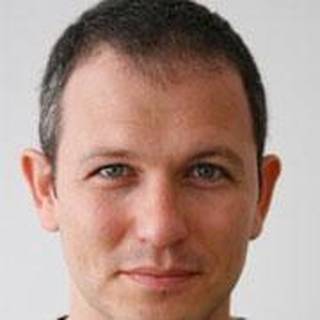
Amir Globerson
Professor
Tel Aviv University
researcher
View profile ↗
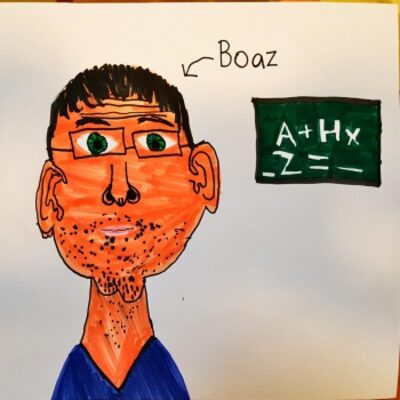
Boaz Barak
Professor, Member of the Technical Staff
Harvard University, OpenAI
researcher
View profile ↗

Chen Shani
Assistant Professor
Tel Aviv University
researcher
View profile ↗
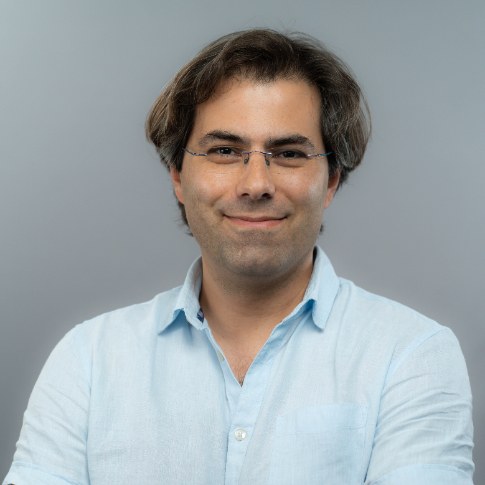
Daniel Soudry
Professor
Technion, NVIDIA
researcher
View profile ↗
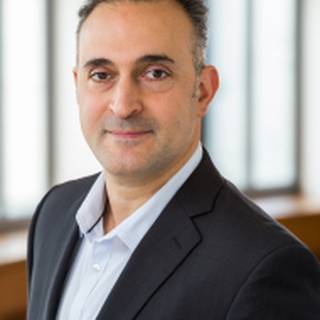
Elad Hazan
Professor
Princeton University
researcher
View profile ↗
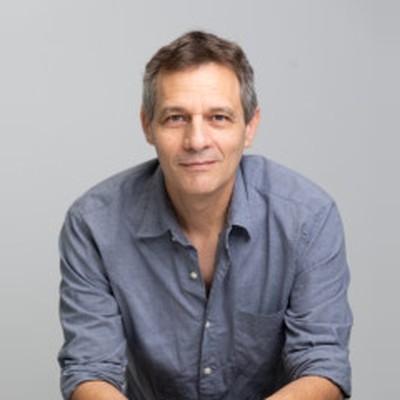
Gal Chechik
Professor, Research Director
Bar Ilan University, NVIDIA
researcher
View profile ↗
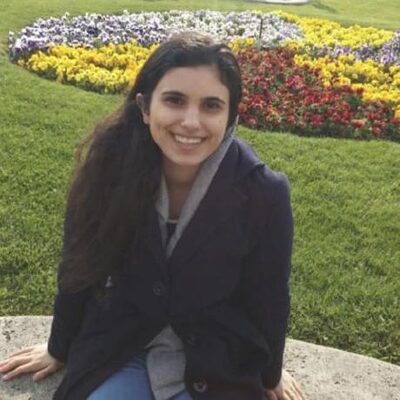
Hila Chefer
Research Scientist
Black Forest Labs
researcher
View profile ↗
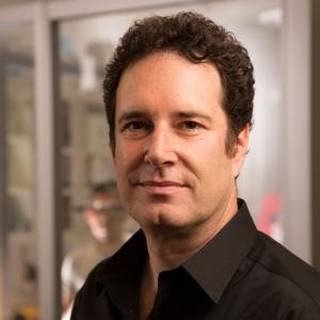
Hod Lipson
Professor
Columbia University
researcher
View profile ↗

Jonathan Gordon
Research Scientist & Team Lead
Google Gemini
researcher
View profile ↗

Kfir Aberman
Research Scientist
Decart
researcher
View profile ↗

Lior Wolf
Professor, Founder
Tel Aviv University, Mentee
researcher
View profile ↗
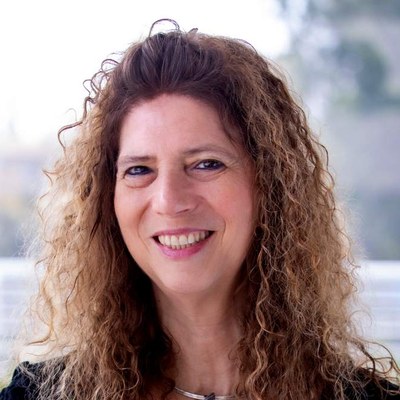
Michal Irani
Professor
Weizmann Institute of Science
researcher
View profile ↗

Mor Geva
Assistant Professor
Tel Aviv University
researcher
View profile ↗
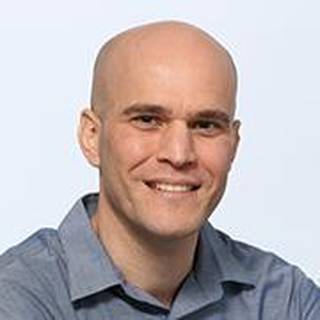
Nadav Cohen
Professor, Co-founder and CTO
Tel Aviv University, Imubit
researcher
View profile ↗

Ofir Press
Researcher
Meta
researcher
View profile ↗

Omer Levy
Research Scientist
DeepMind
researcher
View profile ↗

Opher Lieber
Member of Technical Staff
Thinking Machines Lab
researcher
View profile ↗

Ravid Shwartz Ziv
Assistant Professor, Researcher
New York University, Meta
researcher
View profile ↗
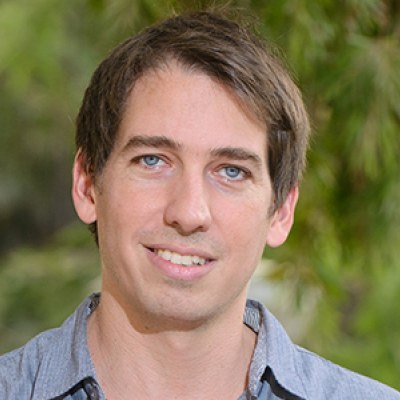
Ronen Eldan
Professor, Researcher
Weizmann Institute of Science, OpenAI
researcher
View profile ↗

Sella Nevo
Principal Researcher
RAND Corporation
researcher
View profile ↗
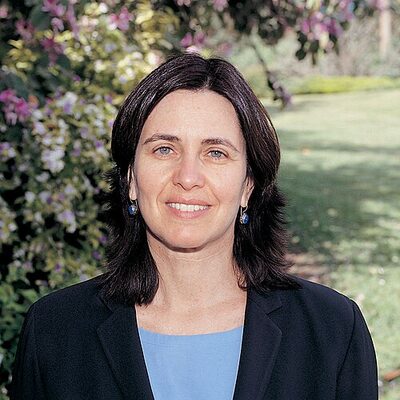
Shafi Goldwasser
Professor
UC Berkeley
researcher
View profile ↗

Shie Mannor
Professor, Distinguished Scientist, Co-founder
Technion, NVIDIA, Jether Energy Research
researcher
View profile ↗
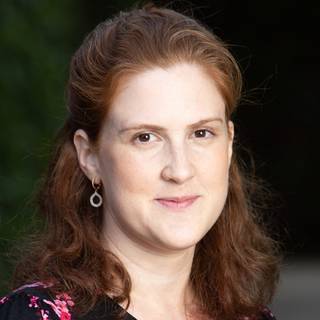
Tamar Rott Shaham
Assistant Professor
Weizmann Institute of Science
researcher
View profile ↗

Yair Carmon
Senior Lecturer, Researcher
Tel Aviv University, SSI
researcher
View profile ↗
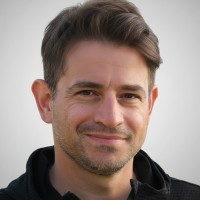
Yaniv Taigman
Research Scientist
Meta
researcher
View profile ↗
Yarin Gal
Associate Professor
University of Oxford
researcher
View profile ↗
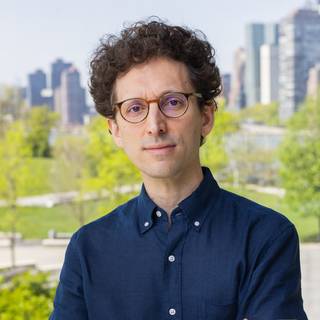
Yoav Artzi
Associate Professor, Visiting Researcher
Cornell Tech, DeepMind
researcher
View profile ↗
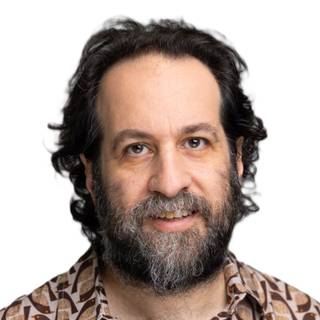
Yoav Goldberg
Professor, Research Director
Bar Ilan University, Allen Institute for AI
researcher
View profile ↗
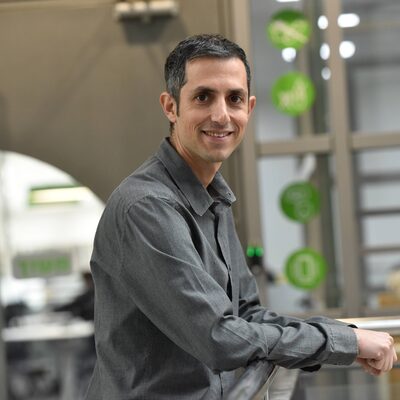
Yonatan Belinkov
Associate Professor
Technion
researcher
View profile ↗

Yossi Gandelsman
Member of Technical Staff
OpenAI
researcher
View profile ↗
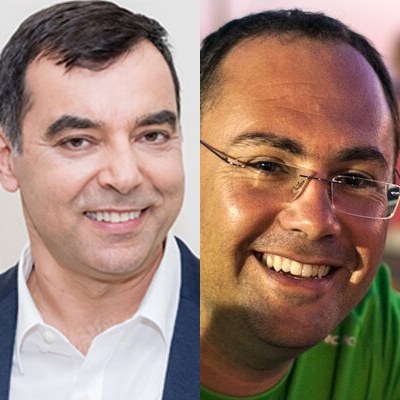
Amnon Shashua & Shai Shalev-Shwartz
Co-founders
Mobileye, doubleAI
founder
View profile ↗
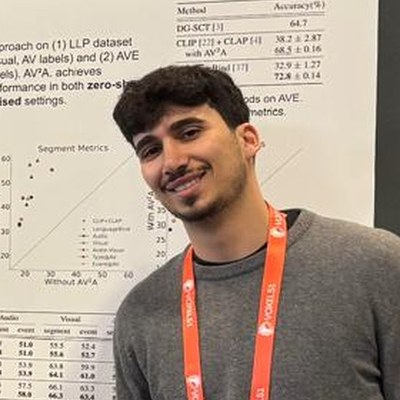
Ariel Shaulov
Co-Founder & CEO
Stealth
founder
View profile ↗
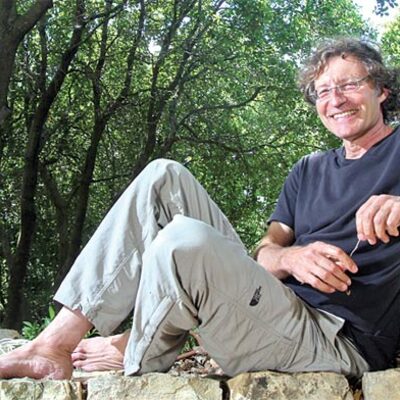
Avigdor Willenz
Founder
Annapurna Labs / Habana Labs
founder
View profile ↗

Dan Barzilay
Founder
Stealth
founder
View profile ↗

Dan Biderman
Co-Founder and CEO
Engram
founder
View profile ↗
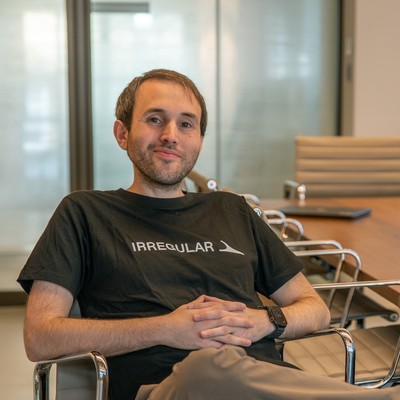
Dan Lahav
Co-founder & CEO
Irregular
founder
View profile ↗
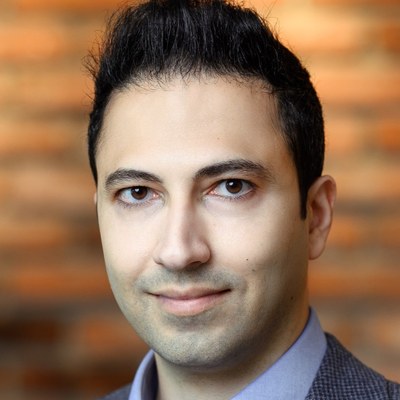
Eli David
Co-Founder and CTO
Two Delta
founder
View profile ↗

Gal Niv
Co-founder & CTO
Enigma
founder
View profile ↗

Hofit Bata
Co-founder
Corma
founder
View profile ↗
Ido Ben Shaul
Co-Founder and CEO
Stealth
founder
View profile ↗

Lavi Shapiro
Co-Founder
Stealth
founder
View profile ↗

Omri Geller
Co-founder & CEO
Run:ai (acquired by NVIDIA)
founder
View profile ↗
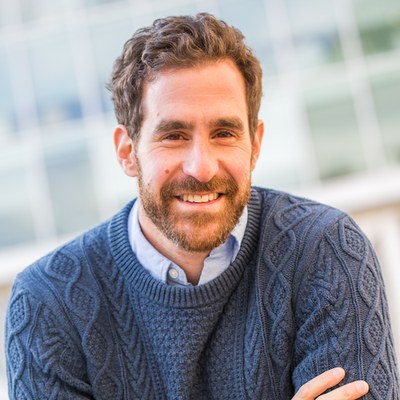
Omri Weinstein
Associate Professor, Founder
Hebrew University of Jerusalem, Pearl Labs
founder
View profile ↗
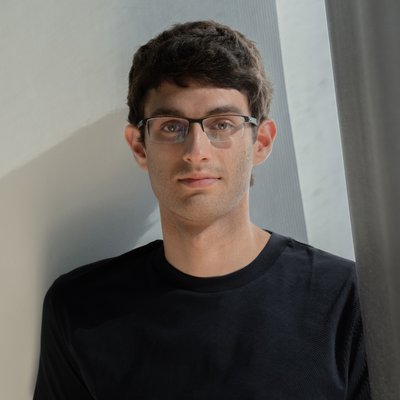
Orian Leitersdorf
Co-Founder & Chief Scientist
Decart
founder
View profile ↗
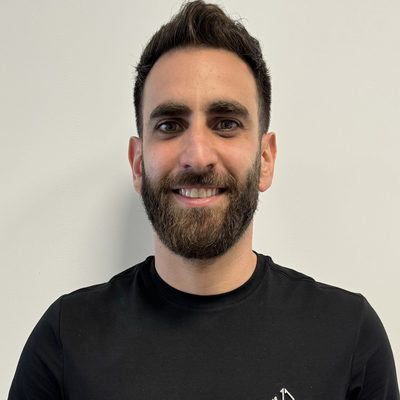
Seri Khoury
Co-founder & CEO
Stealth
founder
View profile ↗

Shahar Papini
Co-founder & CTO
Attestable
founder
View profile ↗

Uri Rolls
Co-founder & CEO
Stealth
founder
View profile ↗
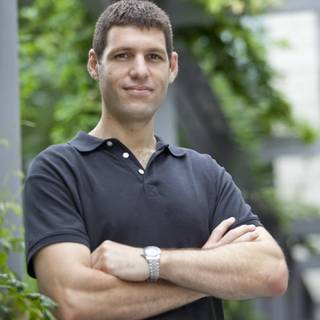
Yaron Singer
Founder
Stealth
founder
View profile ↗
Yonatan Geifman
Co-founder & CEO
Deci (now NVIDIA)
founder
View profile ↗
Yossi Adi
Assistant Professor, Co-Founder
Hebrew University of Jerusalem, Stealth
founder
View profile ↗